


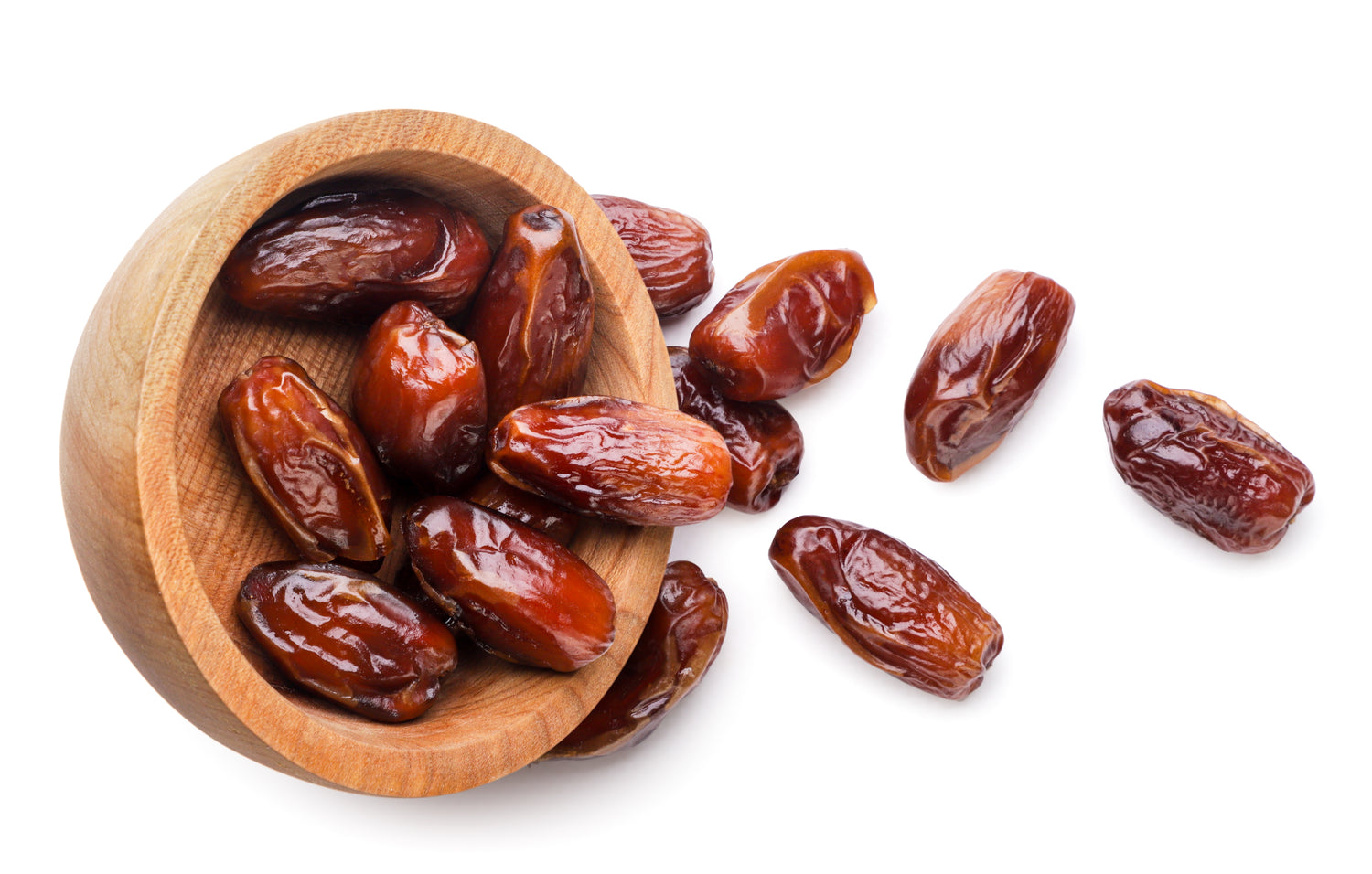
Dates
One of the oldest cultivated fruits; archaeological evidence shows date cultivation in the Gulf and Mesopotamia by at least 4000–3000 BCE (and likely earlier). Central to ancient Sumerian, Babylonian, Egyptian and later Islamic economies as food, sweetener and trade good. Date palms were symbolic in Near Eastern cultures (fertility, provision) and spread across North Africa and into southern Europe after Arab expansions; commercial cultivation later moved to the Americas (California, Arizona) in the 19th century. Today the global production of dates is led by Egypt and Saudi Arabia, with other top producers including Algeria, Iran, Iraq, Pakistan, Sudan, Oman, the United Arab Emirates and Tunisia.
Nutrition: High in natural sugars (fructose, glucose), fiber (notably soluble), potassium, small amounts of magnesium, B6, and antioxidants. Dates provide a quick, natural source of energy because they’re high in natural sugars, and their fiber content helps digestion and keeps you regular; they’re also rich in potassium which can help with cramps and hydration, and contain antioxidants that may reduce everyday inflammation.
Healing/benefits: Quick energy source; fiber supports bowel regularity; potassium helps electrolyte balance; polyphenols provide antioxidant/anti‑inflammatory
effects; may aid iron absorption when eaten with iron sources.
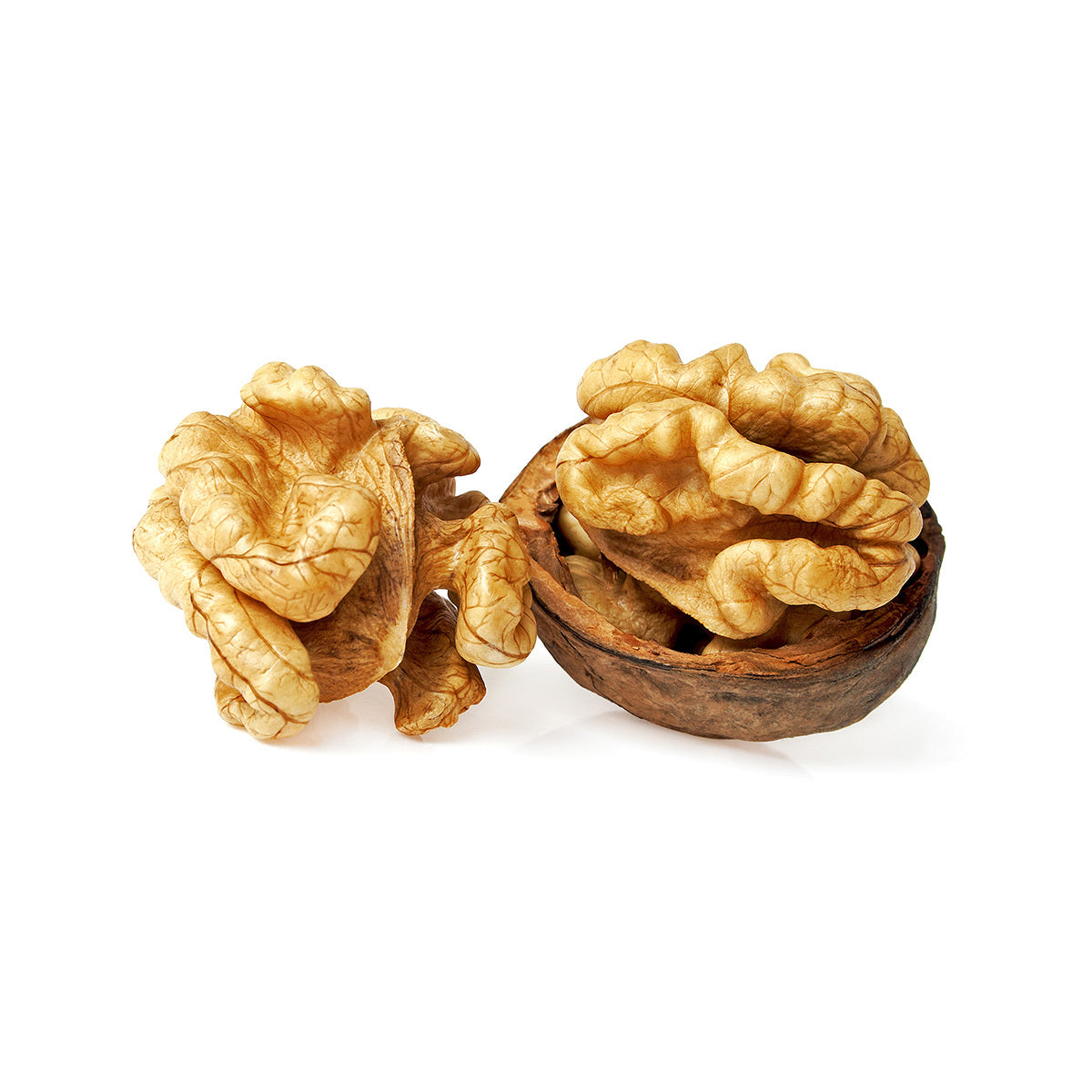
Walnuts
Wild walnuts were eaten in prehistory across Eurasia; the
Persian walnut (Juglans regia) was domesticated in Central Asia and traded widely along Silk Road routes. Greeks and Romans prized walnuts for food and
medicine; medieval Europe continued cultivation and spread varieties. European colonists brought walnuts to the Americas; today walnuts are grown worldwide
with major production in China, the U.S., and Turkey.
- Nutrition: Rich in omega‑3 ALA, polyunsaturated fats, protein, fiber, vitamin E (gamma‑tocopherol),
magnesium, copper, and polyphenolic antioxidants. Walnuts are good for brain health thanks to plant‑based omega‑3s, support heart health by improving cholesterol and blood‑vessel function, help you feel satisfied between meals because of their protein, fat and fiber, and contain anti‑inflammatory compounds that may protect against chronic inflammation.
- Healing/benefits: Supports heart health (improves lipid profile and endothelial function); anti‑inflammatory and neuroprotective associations; may support cognitive function and satiety/weight control when eaten in moderation.
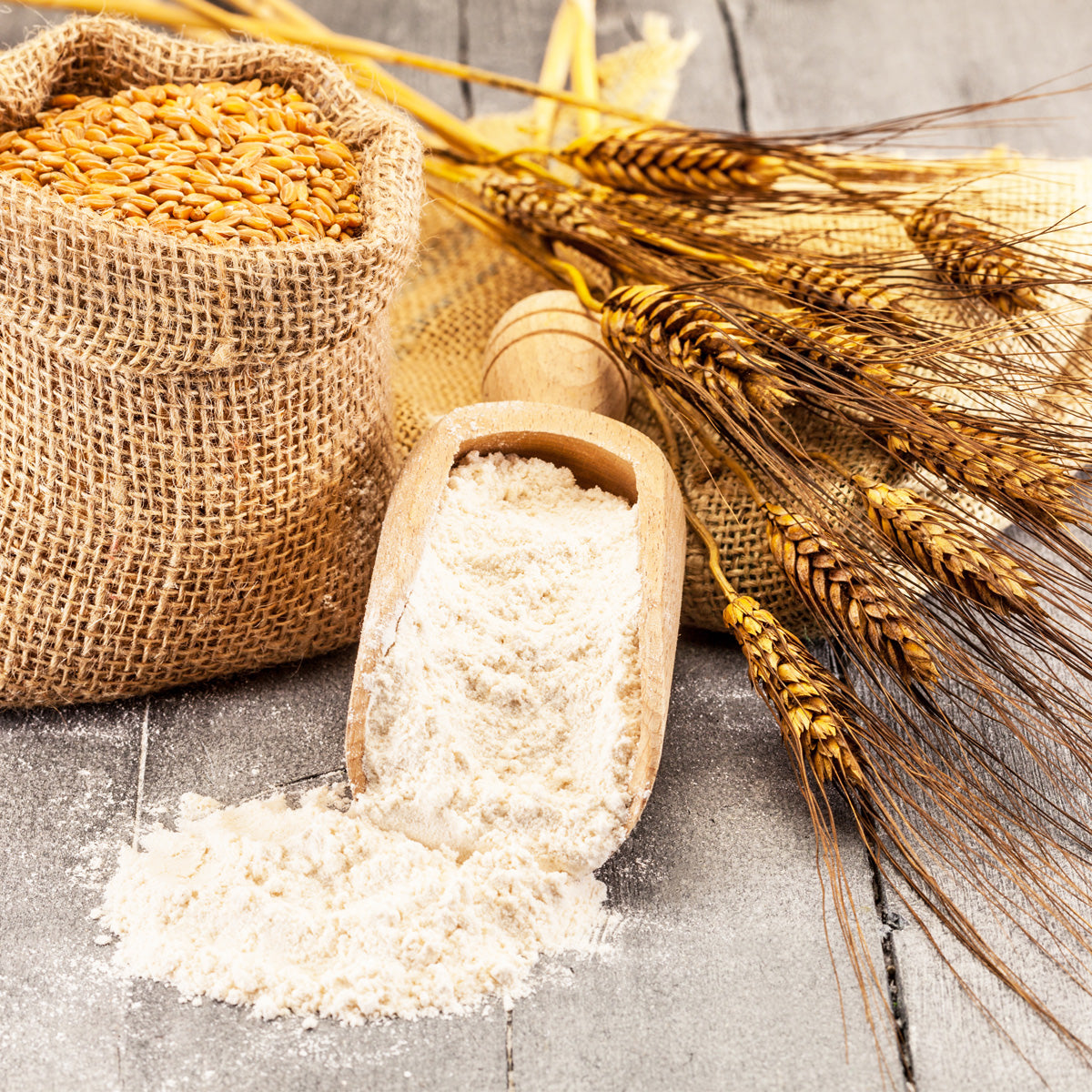
Whole wheat flour
Milling whole grains into flour dates back to the Neolithic agricultural revolution (~10,000 BCE) when humans domesticated wheat in the Fertile Crescent. Early methods used saddle querns and rotary querns; water-
and wind-driven mills from antiquity and the Middle Ages industrialized milling. Refinement processes in the 19th century (roller milling) produced white flour and separated bran/germ, but whole wheat has persisted in traditional breads and re-emerged with modern health movements.
- Nutrition: Good source of complex carbohydrates, fiber (including bran), B vitamins (thiamin, niacin, folate), iron, magnesium, and phytonutrients. Whole wheat delivers steady, lasting energy because its carbohydrates digest more slowly than refined flour, supports healthy digestion by providing fiber that feeds the gut, supplies more vitamins and minerals than white flour, and can help with weight management by increasing fullness.
- Healing/benefits: Promotes sustained energy and gut health (fiber feeds microbiome, aids regularity); associated with lower risk of cardiometabolic
disease vs refined grains; helps with blood sugar control when replacing refined flour.
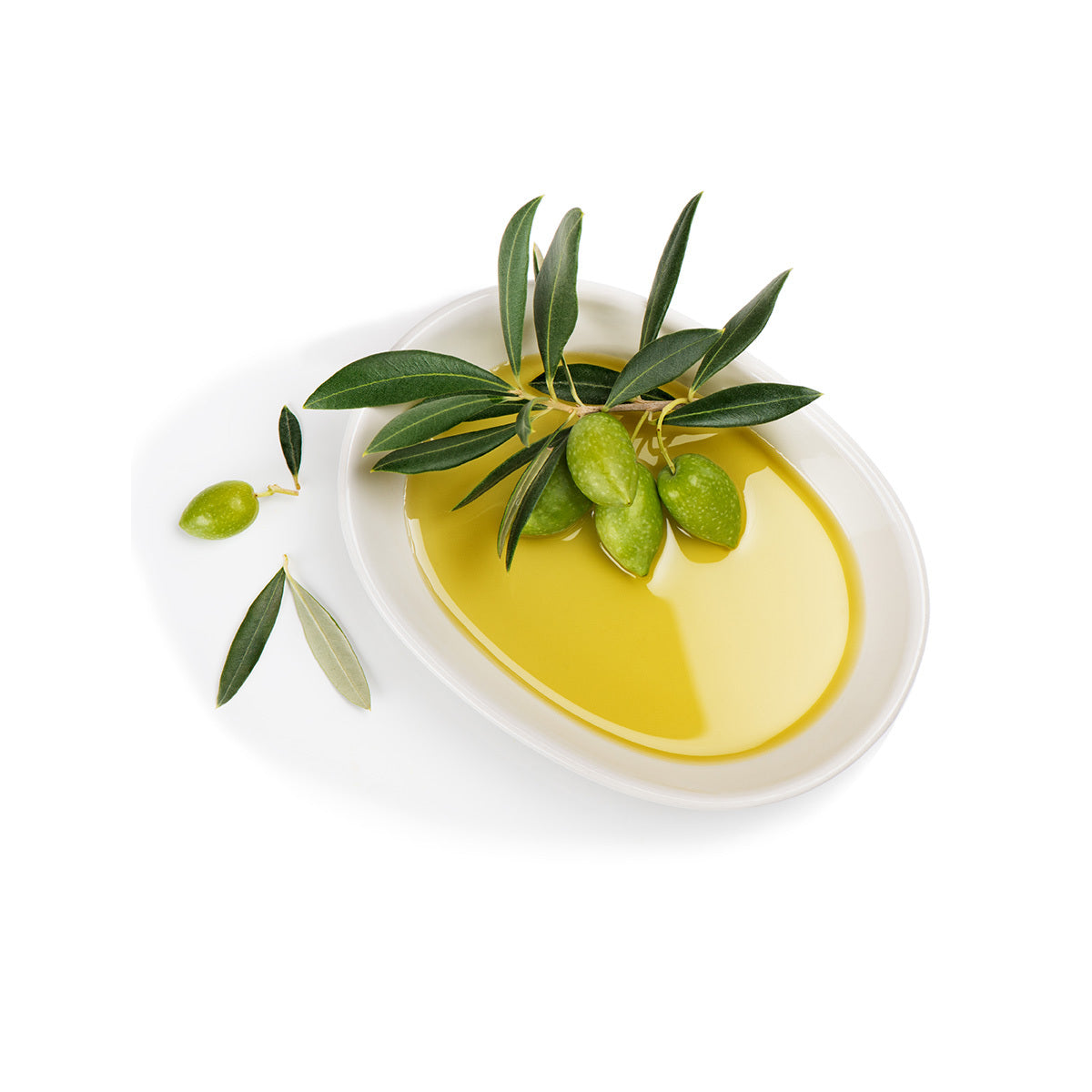
Olive oil
Olive cultivation began in the eastern Mediterranean (modern-day Turkey, Syria, Crete) by at least 3500–3000 BCE, becoming central to Minoan, Greek, and Roman economies and diets. Olive oil held religious, medicinal and cosmetic roles in antiquity (lamp fuel, anointing, perfume base). The Roman agronomy and Mediterranean trade networks expanded oil production; extra‑virgin olive oil remains a hallmark of Mediterranean cuisine and culture.
- Nutrition: High in monounsaturated fat (oleic acid), contains vitamin E, polyphenols and other antioxidants (extra‑virgin highest). Olive oil is a heart‑friendly
source of monounsaturated fat that can replace saturated fats, contains antioxidants that reduce inflammation, and is versatile for cooking and gentle
on the skin when used topically.
- Healing/benefits: Cardioprotective (improves lipid profile, reduces inflammation); antioxidant effects; may support endothelial function and lower risk of metabolic syndrome when used instead of saturated fats.
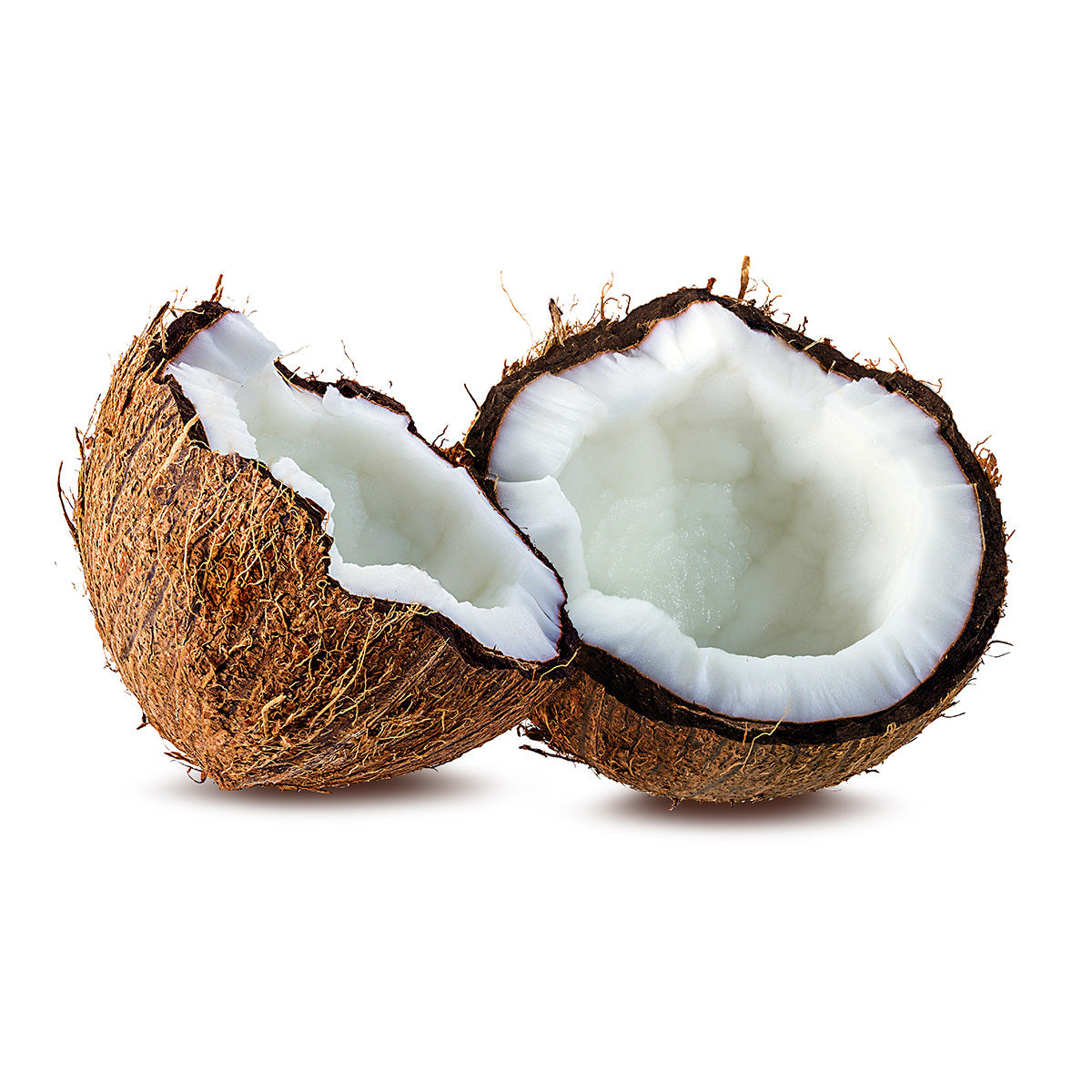
Coconut water
The coconut palm (Cocos nucifera) likely originated in the
Indo-Pacific region; coconuts and their water were traditional staples in tropical coastal societies for millennia. Pacific and Indian Ocean voyagers carried coconuts across islands and to East Africa; the drink served as hydration and emergency fluid during voyages. European exploration and later colonial trade spread coconut uses globally; bottled coconut water became a
global commercial product in the late 20th–early 21st centuries.
- Nutrition: Low‑fat, low‑calorie, mostly water with natural sugars, potassium, small amounts of magnesium, calcium, and electrolytes. Coconut water is a natural rehydration drink that supplies water, light carbohydrates and potassium, making it useful after light exercise or mild dehydration, and it’s gentle on the stomach compared with some commercial sports drinks.
- Healing/benefits: Effective mild rehydration beverage; potassium-rich so can help restore electrolytes; gentle carbohydrate source for light recovery. (Less sodium than commercial sports drinks — not ideal sole rehydration after heavy sweat.)
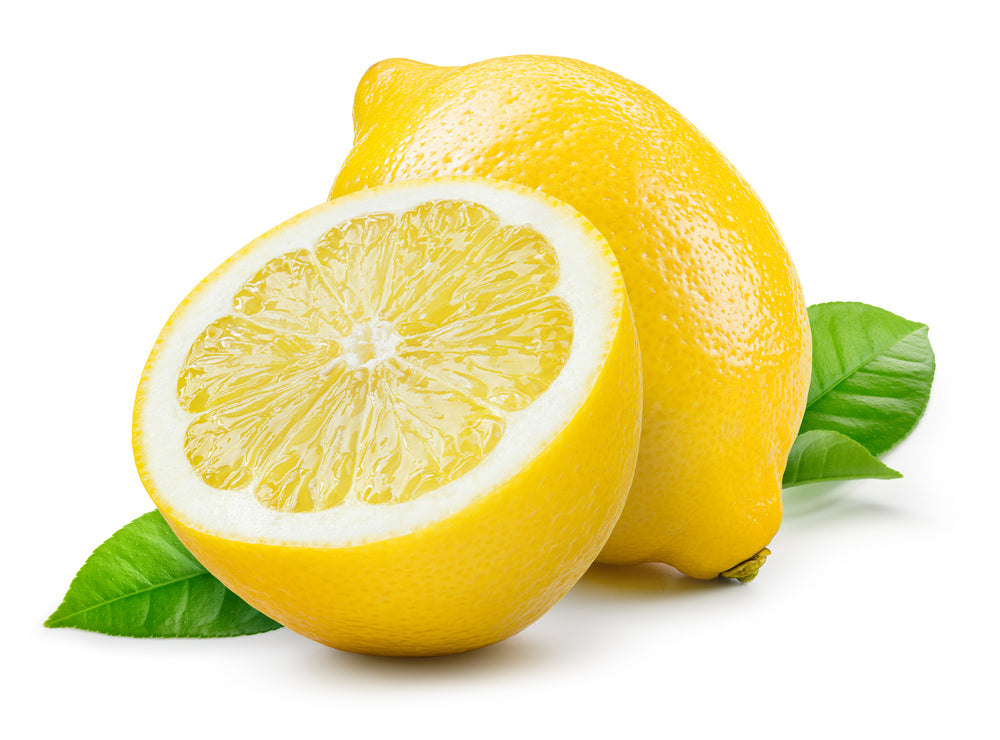
Lemon juice
Citrus fruits originated in Southeast Asia; lemons are
believed to be a hybrid originating around northern India or China and entered the Mediterranean by the first millennium CE via Arab trade. By medieval times
lemons were cultivated in the Islamic world and later in Mediterranean groves; Europeans prized them for flavor and as scurvy prevention on long sea voyages.
Lemon trees became established in Europe and the Americas with trade and colonization.
- Nutrition: Low in calories, high in vitamin C, contains citric acid and small amounts of potassium and
flavonoids. Lemon juice is a low‑calorie way to boost vitamin C for immune support and skin health, it enhances iron absorption from plant foods, and many people find that warm lemon water aids digestion and freshens breath.
- Healing/benefits: Vitamin C supports immune function and collagen synthesis; citric acid can aid iron absorption from plant foods; may help digestion and urinary citrate (kidney stone risk reduction) when consumed regularly.
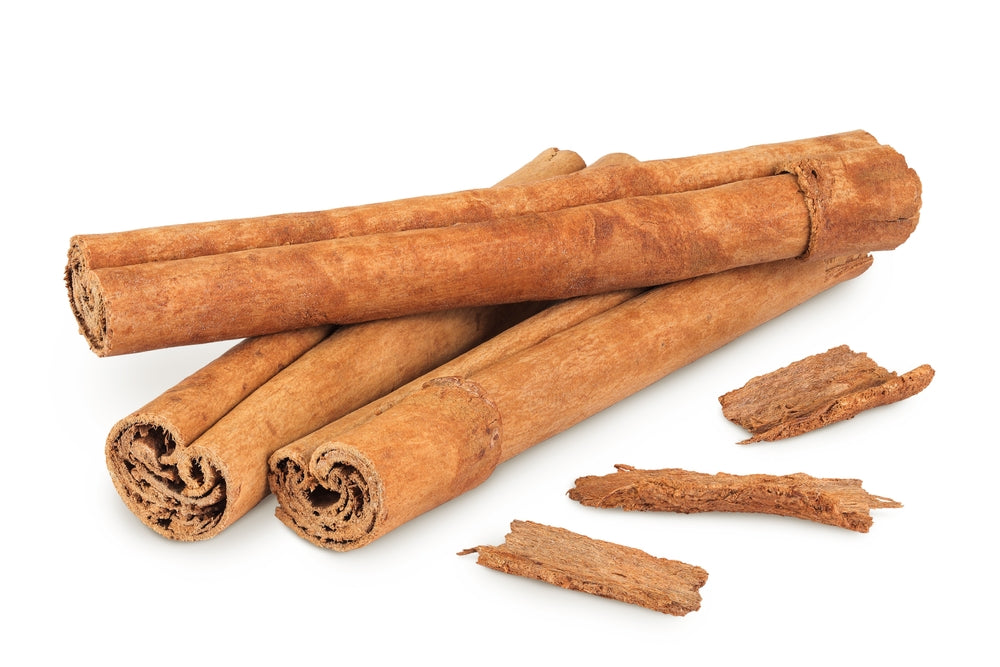
Ceylon Cinnamon
Not all cinnamon is the same.
Most cinnamon sold in supermarkets is Cassia cinnamon. While both come from the bark of cinnamon trees, they differ in flavor, composition, and origin.
While both Ceylon and Cassia cinnamon come from the bark of cinnamon trees, they offer distinctly different characteristics. Unlike common Cassia cinnamon, Ceylon cinnamon naturally contains very low levels of coumarin, making it a popular choice among consumers seeking premium, authentic cinnamon.,
Ceylon cinnamon has been treasured for thousands of years for its delicate flavor, rich history, and naturally occurring beneficial plant compounds. Native to Sri Lanka and parts of South Asia, Ceylon cinnamon was once one of the world's most valuable spices, traded along ancient routes connecting Asia, the Middle East, and Europe.
- Nutrition: Ceylon cinnamon is a nutrient-rich spice containing naturally occurring antioxidants, including polyphenols and flavonoids, along with small amounts of dietary fiber and trace minerals such as manganese, calcium, iron, and potassium. Prized for centuries in traditional cuisines, Ceylon cinnamon adds both exceptional taste and naturally occurring nutrients to our Date Swirls.
- Healing/benefits: For centuries, Ceylon cinnamon has been valued in traditional wellness practices for its naturally occurring antioxidants and beneficial plant compounds. These compounds help support the body's natural defenses against oxidative stress caused by free radicals. Known as "true cinnamon,"
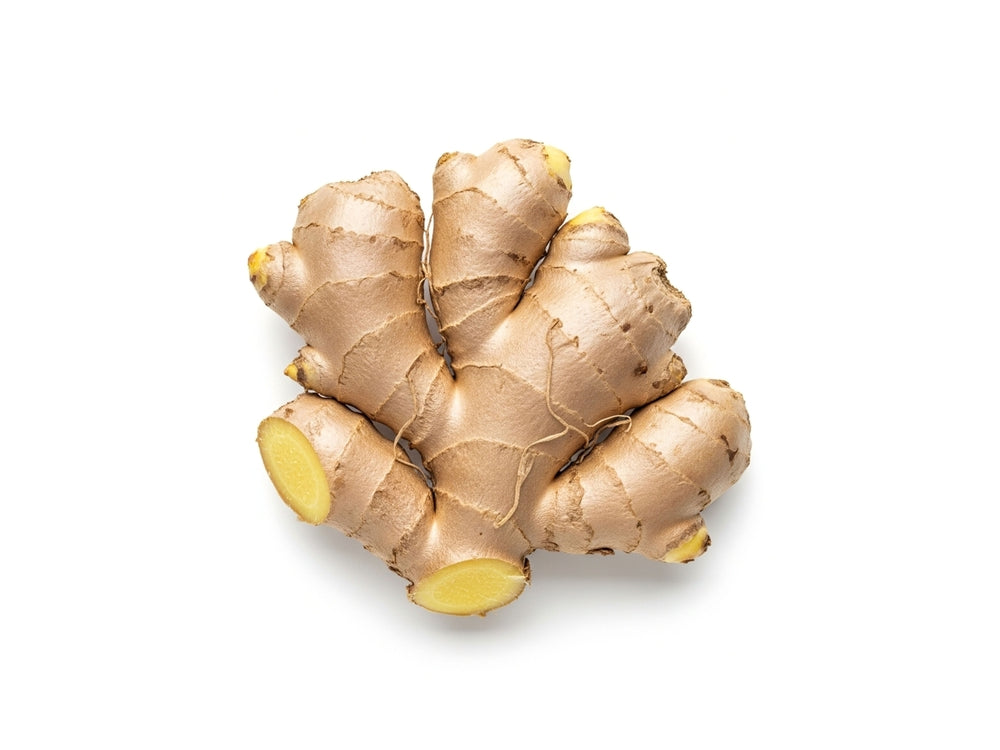
Ginger
Indigenous to Southeast Asia, ginger has been used culinary and medicinally for at least 3,000 years. It was an important trade commodity in ancient Indian and Chinese medicine and cuisine, and became highly valued in the Greco-Roman world after Alexander-era trade. Arab and Venetian merchants brought it to Europe; later it spread to the Americas with colonial trade.
Ginger has longstanding roles in traditional systems (Ayurveda, TCM) for digestive and warming remedies.
- Nutrition: Low in macronutrients;
rich in bioactive compounds (gingerol, shogaol) with strong biological
activity. Ginger is one of the best natural remedies for nausea (including
morning sickness and motion sickness), has anti‑inflammatory properties that
can reduce muscle and joint soreness, and often eases digestive discomfort such
as bloating and cramping.
Healing/benefits: Well‑supported for reducing nausea (pregnancy, chemo, motion); anti‑inflammatory and analgesic effects; may aid digestion and reduce
GI discomfort; possible modest benefits for muscle pain and metabolic markers.
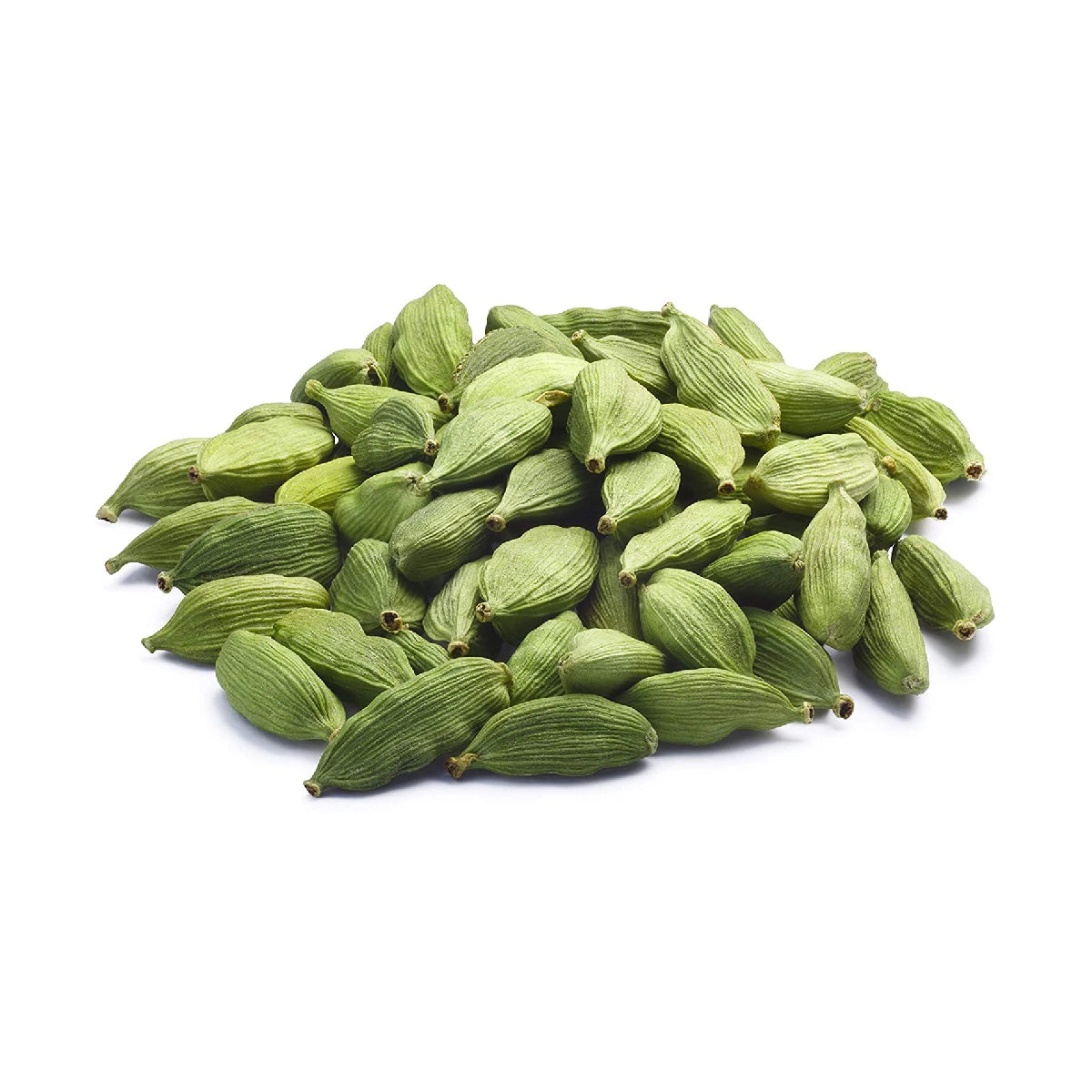
Cardamom
Cardamom is often called the "Queen of spices". Native to the Western Ghats of India and parts of Southeast Asia, it has been used in South Asian cuisine and Ayurvedic medicine for millennia. It traveled with spice traders to the Middle East and Europe and became a valued aromatic in coffee, confectionery, and perfumes. Colonial-era plantations expanded production
(notably in India and later Guatemala, which is now a top producer).
- Nutrition: Low‑calorie spice containing volatile oils (cineole, terpinene), fiber, and flavonoids. Cardamom is traditionally used to soothe digestion and relieve mild indigestion or bloating, it freshens the breath with its aromatic oils, and contains antioxidant compounds that may have gentle anti‑inflammatory effects.
- Healing/benefits: Traditionally used for digestive complaints and breath freshening; has antioxidant and anti‑inflammatory properties in studies; may help mild dyspepsia and has modest blood‑pressure lowering effects in some trials.
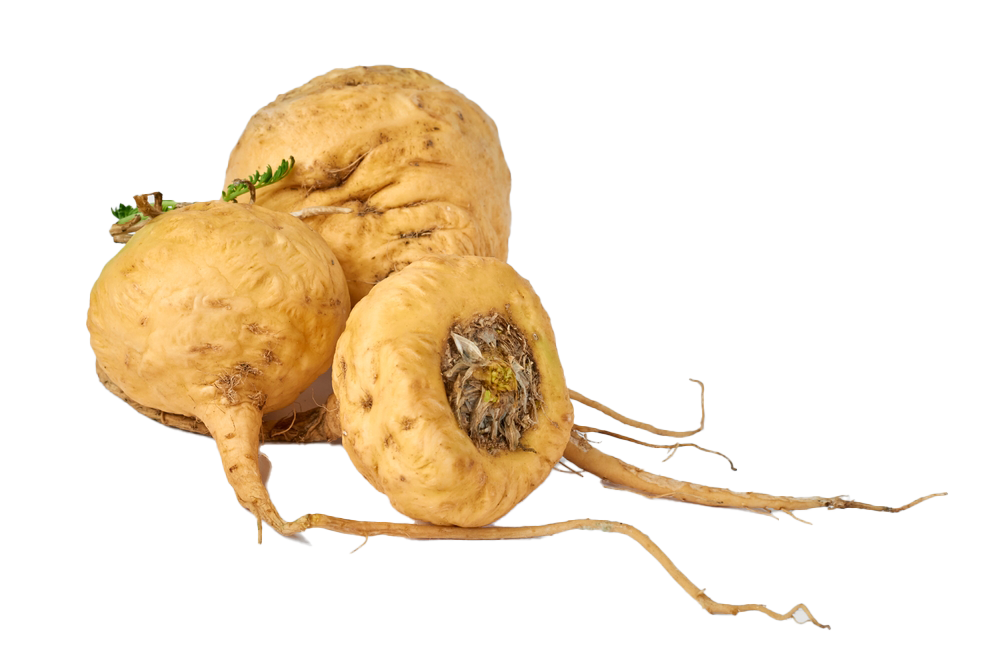
Maca
Maca (Lepidium meyenii) is a root cultivated in the high Andes of Peru for at least 2,000 years by pre‑Incan cultures. Indigenous peoples used it as a food staple and as a traditional tonic for fertility, strength and endurance. Spanish chroniclers recorded maca use in the 16th century; in modern times maca was rediscovered by global markets in the late 20th century and commercialized as powdered supplements and foods.
Nutrition: Powdered root provides carbohydrates, some protein, fiber, vitamins (C, B6), and minerals (iron, potassium), plus unique plant compounds (glucosinolates). Maca is an Andean root often used as a nourishing food to support energy and stamina
rather than as a stimulant; some people report improved libido and mood with regular use, and it adds vitamins, minerals and plant compounds when blended
into foods.
Healing/benefits: Traditionally used for energy, stamina, and libido; some small studies suggest benefits for sexual desire, mood, and menopausal symptoms, though evidence is limited; generally considered an adaptogenic food with mild hormonal/energy‑support claims.
Safety andpractical notes:
Avoid walnuts if you have a tree‑nut allergy; limit intake of cassia cinnamon because it contains coumarin which can be harmful in large amounts; consult a doctor before using ginger or other herbs regularly if you take blood thinners; and remember these foods work best as part of a balanced diet, not as miracle cures.


